

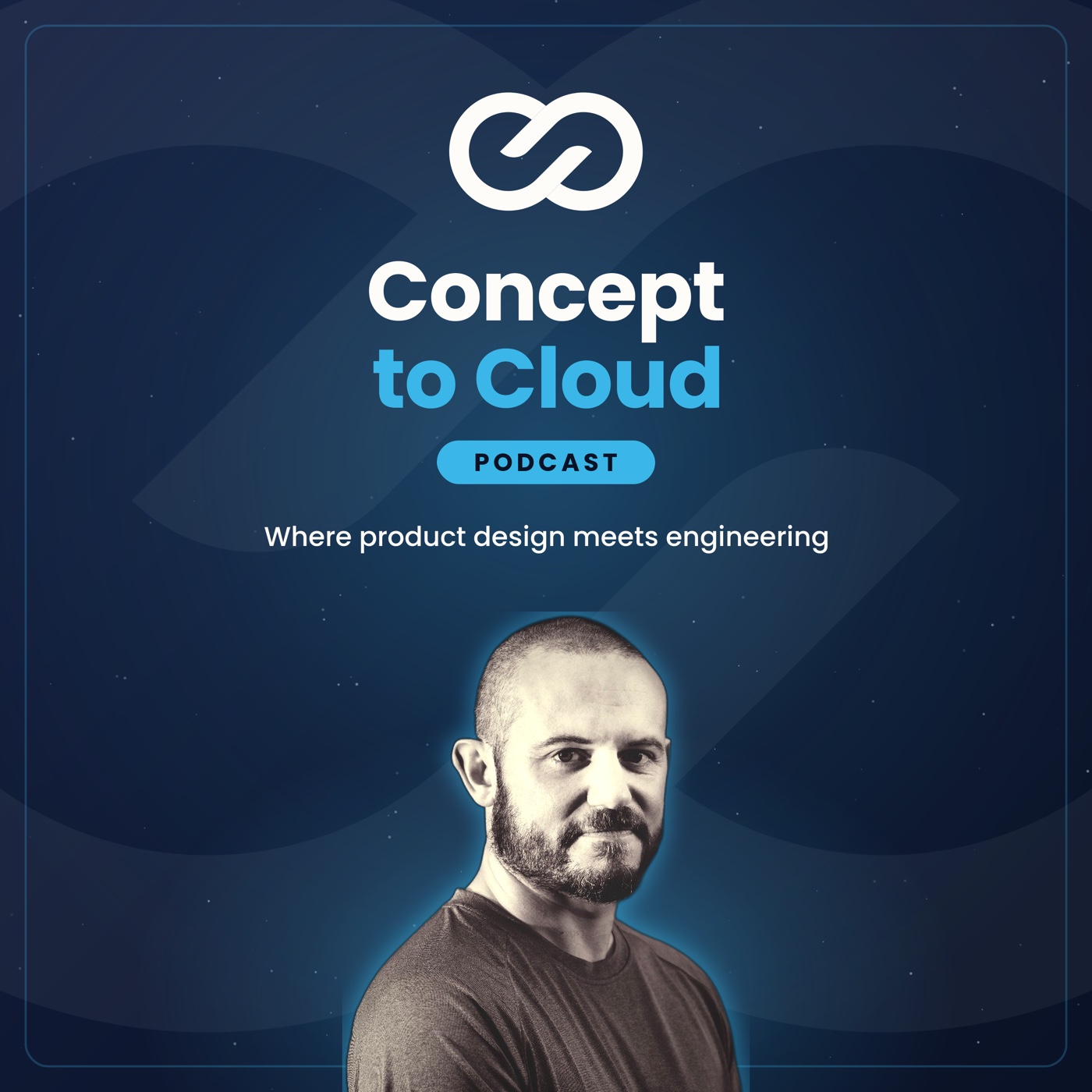



Profile
A career spent walking into engineering rooms that needed someone in them.
Tom Barber spent eight years inside NASA’s Jet Propulsion Laboratory, holding engineering roles across the Voyager Interstellar Mission and the Mars 2020 Perseverance rover. Three NASA Honor Awards, including the Mars 2020 PIXL Development Team. The images the rover sent back to Earth came through infrastructure his teams built and ran.
He left JPL to do the same work in more places. Director of Engineering at a global risk advisory firm, leading a fifty-person team building a financial-crime detection platform under heavy regulation. Director of the Princeton Research Accelerator, ramped up from a fractional engagement into a twenty-person research-data operation. Fractional Director at Consilient, doing federated learning where the data can never be pooled. Former VP of Apache OODT, the open-source data management framework that came out of JPL and has been running in production for two decades.
Almost all of it on a contract or fractional basis. That is not a side effect of the market. It is the shape of the work he has deliberately chosen.
“Most engineering teams don’t need a full-time Director. They need someone who’s done the job before to help figure out what good looks like, and how to get there.”
His current argument for why now: AI is exposing a gap. Not in engineering itself, which the tools have accelerated, but in the leadership around it. The teams that will pull ahead over the next few years, he says, are the ones where someone senior is still holding the shape of the work, deciding what gets built and what does not, and keeping the loop honest. Tom has written about it.
What that looks like in practice is a Director who lands in the room, reads it fast, holds the seat while the team stabilises, and hands off cleanly when someone else is ready to take the chair. Fractional as method, not as pitch.
“If we’re a fit, we’ll know quickly. If we’re not, I’ll tell you who is.”