

Strategy
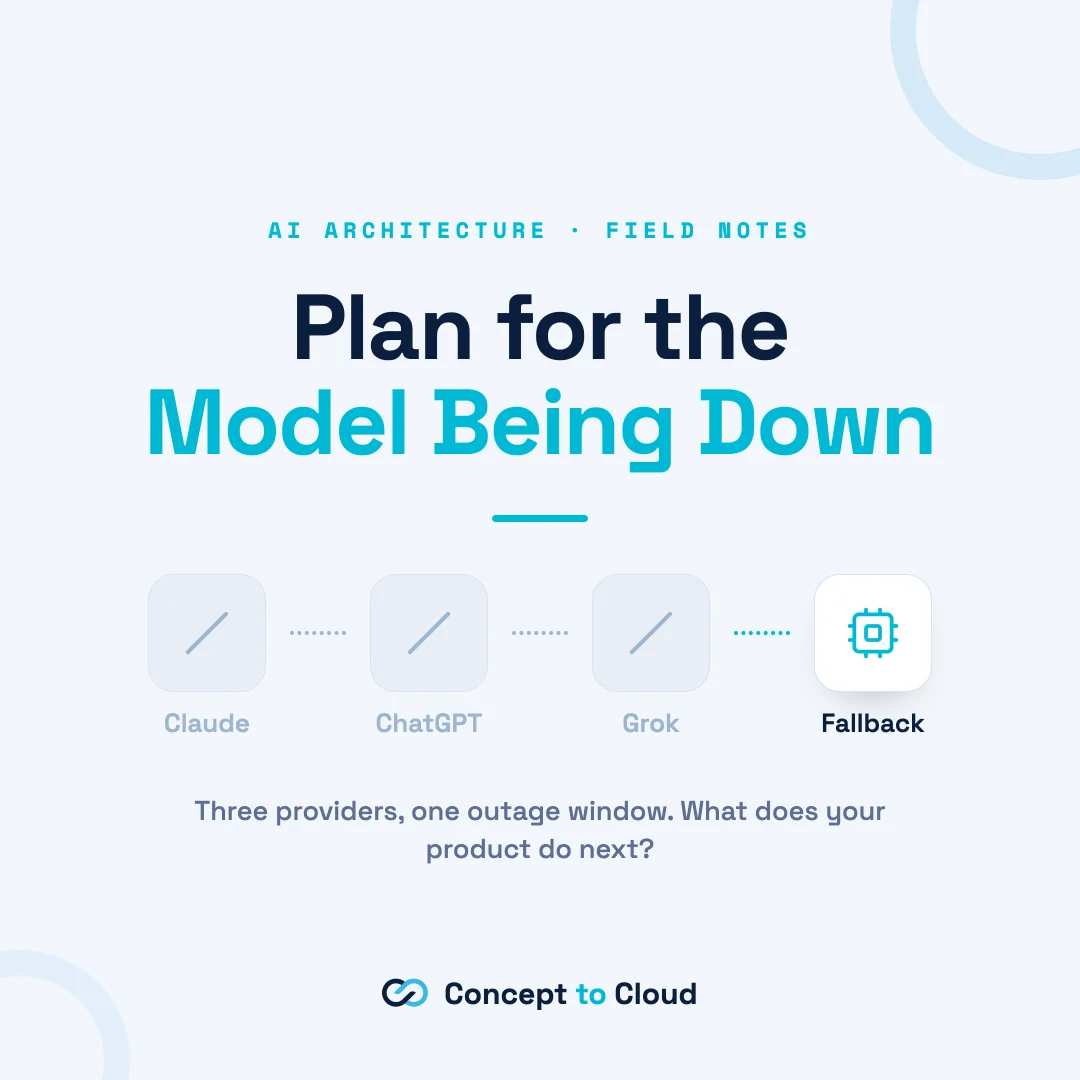
Plan for the Model Being Down
Claude, ChatGPT and Grok all went offline at roughly the same time. If AI sits at the core of your product, availability is a design problem, not a vendor problem.
Topic
14 articles tagged “AI”.
Claude, ChatGPT and Grok all went offline at roughly the same time. If AI sits at the core of your product, availability is a design problem, not a vendor problem.
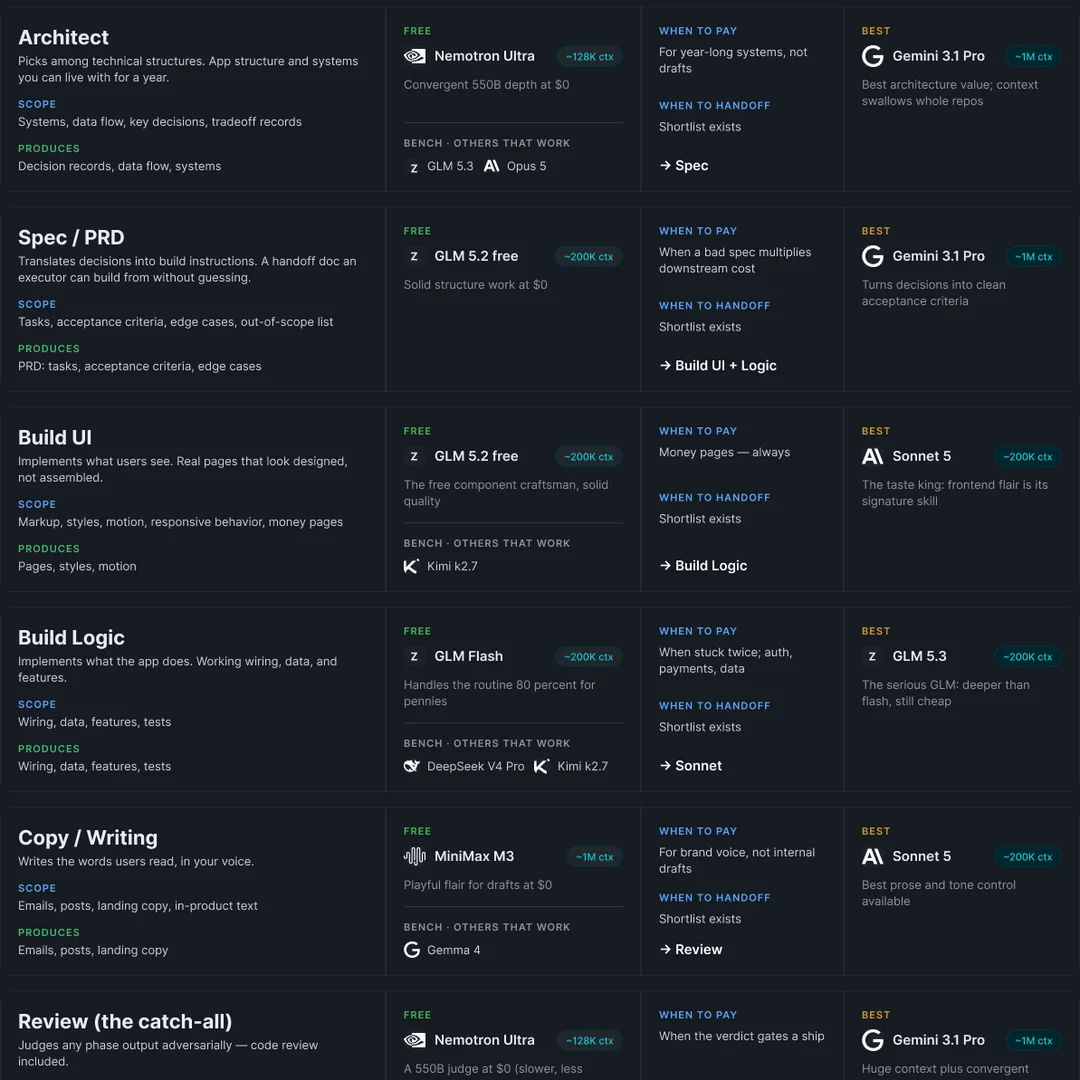
We split building a product into eleven jobs and tested free and paid models against each one. For most of them, the free model is good enough. Here is where paying is worth it, and where it never is.
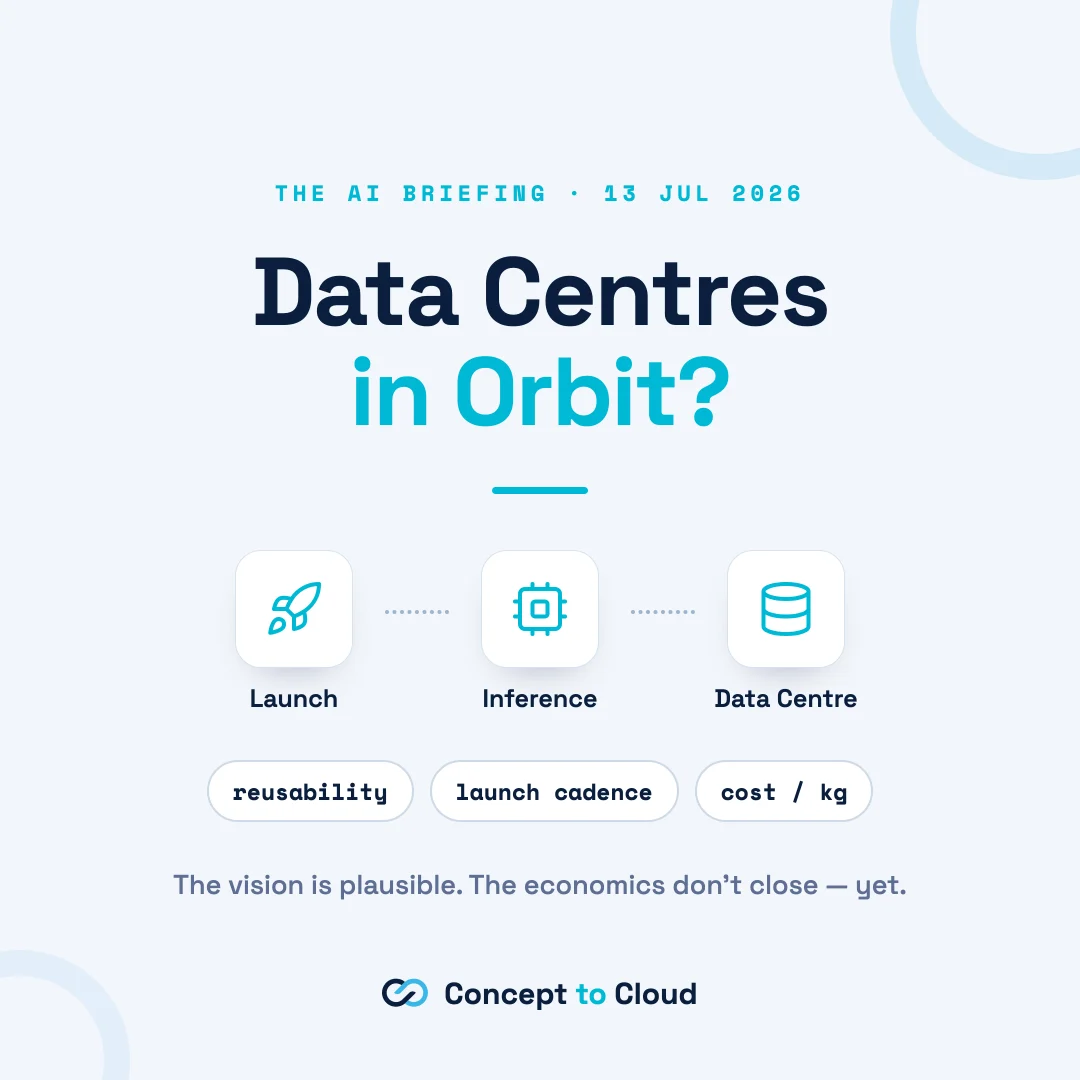
This week's AI Briefing: an Altman, Musk exchange about SpaceX being worth more than the planet turned into the more interesting question underneath it, can you actually run AI inference in orbit, and does the maths close? Not yet, and here's why.
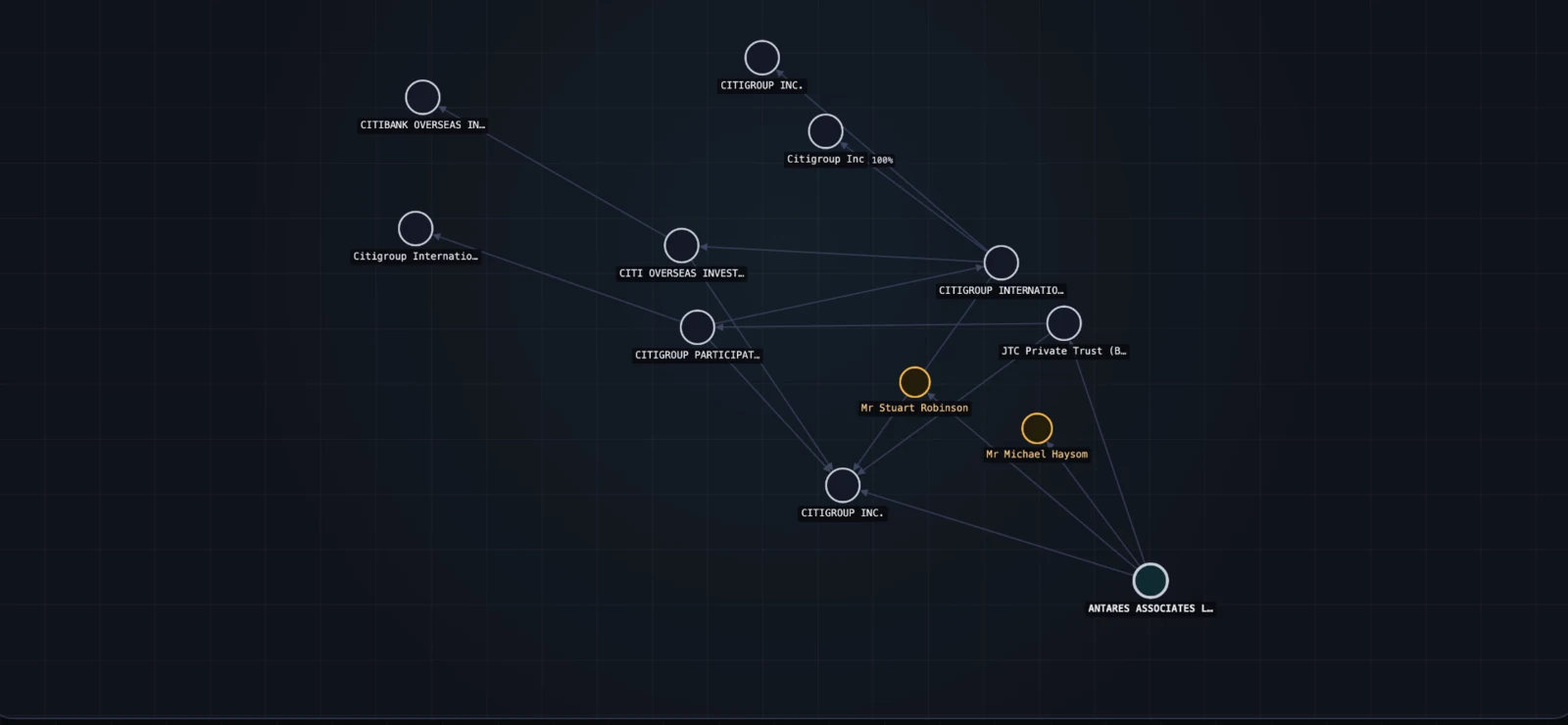
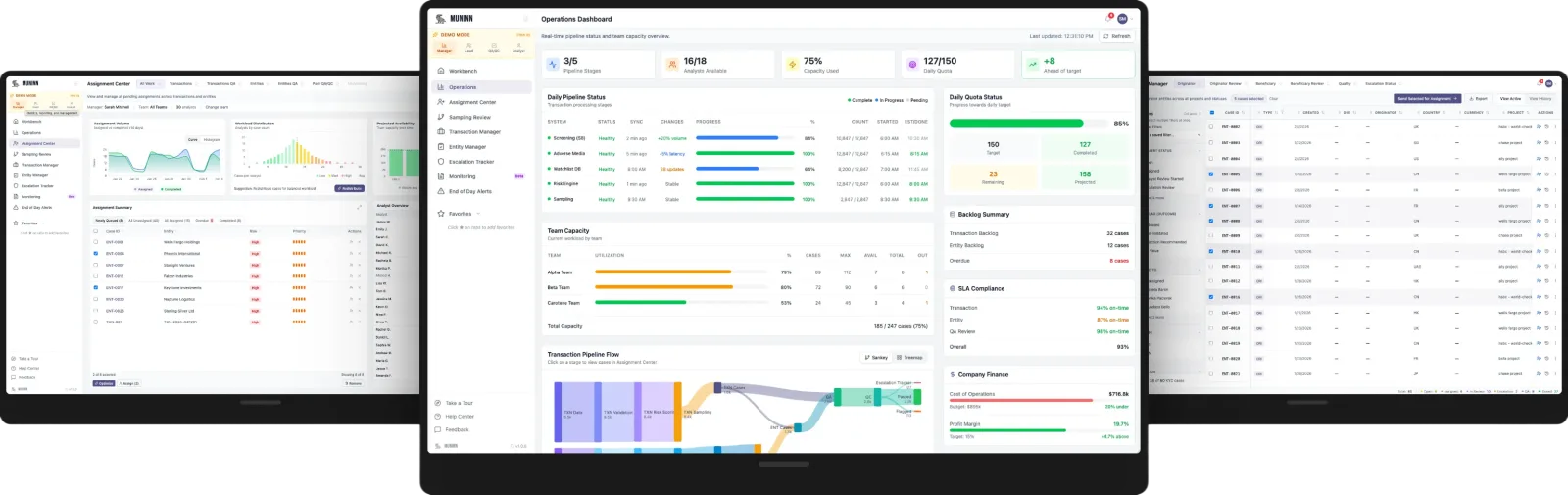
We keep telling clients their AI project is really a data project, and that with the right semantic layer underneath, everything on top gets fast and cheap to build. So we proved it. Over a weekend we pointed Saiku and Ossie at 45 million companies of public beneficial-ownership data and built seven investigation tools on top: a live ownership graph, dashboards, a risk radar, cross-border flows, plain-English querying and a case desk. One model underneath; every surface almost free. Here's what each piece does and how they fit.

Most LLM outages are not caused by the model. They are caused by the pipeline around the model. The retries, the routing, the fallbacks, the rate limits, the observability. A concrete playbook for hitting three-nines on an LLM-powered product.
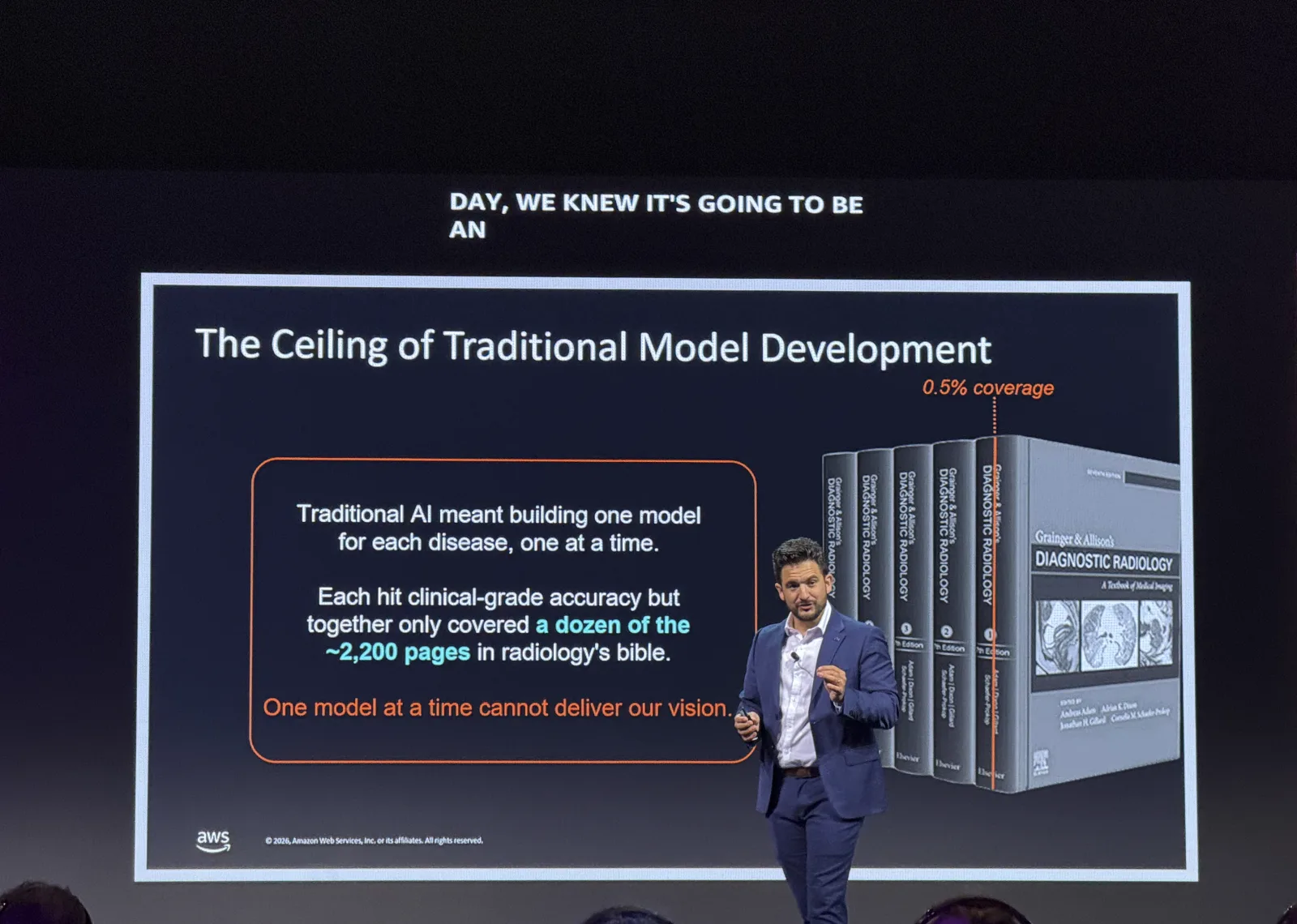
Two days at AWS Summit in Washington, DC, big, well attended, informative, and underwhelming. In the rush to bolt an LLM onto everything, a lot of vendors forgot to do anything novel. Notes on what impressed, what didn't, and why it's still the data that decides the outcome.
Most AI projects fail in the data layer, not the model layer. The slide deck is about agents and RAG; the work that decides the outcome is unglamorous data engineering nobody scoped or staffed.
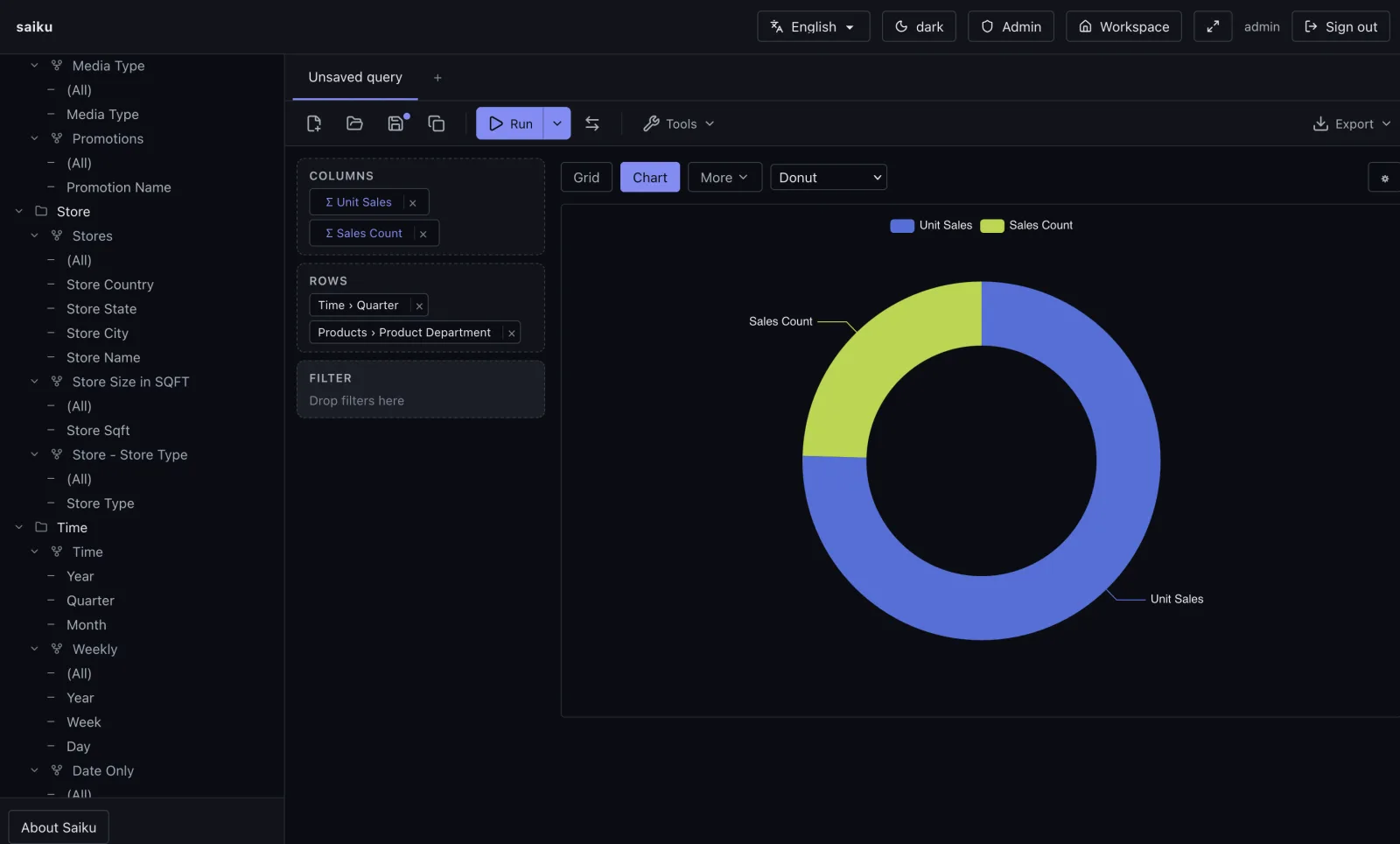
Years ago I walked away from Saiku, the commercial open source OLAP tool I'd built and run for the better part of a decade. This year, with a few weeks off and an agentic coding agent at my disposal, I rebuilt it, new UI, modernised dependencies, and a new SQL engine underneath. Here's what happened, and why I'm releasing it again.

Every week there's a new headline about AI replacing software engineers. The data tells a different story, and the real gap it's exposing isn't in code production, it's in engineering leadership.
Every product now has an 'AI' badge, but slapping a label on a fridge doesn't make it intelligent. Three critical questions separate leaders who understand AI from everyone else buying stickers.
Musk's $1.25 trillion merger isn't just corporate consolidation, it's a fundamental bet that terrestrial infrastructure can't scale to meet AI demand. For systems architects, the implications are significant.

Anthropic's acquisition of Bun isn't just another dev tool purchase, it's a signal that AI companies are done relying on external infrastructure. When you own the model, the dev tools, and the runtime, you control the entire coding experience.
SpaceX is turning Starlink V3 satellites into the backbone of orbital data centers, terabit-class capacity per satellite, an FCC filing for one million units, and a $1.25 trillion SpaceX-xAI merger funding the buildout.

Explore transformative trends reshaping cloud computing, from serverless evolution and AI integration to quantum computing and generative AI.